I’m excited to introduce PathFinder — a family of antenna rotator hardware interfaces I’ve been quietly building over the past months, and which I’m now ready to share with the amateur radio community. To kick things off, I’m also announcing a new series of upcoming hardware models that will expand the PathFinder family further.
What is PathFinder?
PathFinder bridges the analogue position signals of your rotor clock to your Windows PC via USB. It reads the potentiometer position, calculates the exact angle using multi-point calibration, and sends movement commands back to the rotor — all communicated via the open GS232A/B protocol. That means it works out of the box with popular logging, tracking and satellite software like Orbitron, Ham Radio Deluxe, N1MM+, Log4OM, Nova, and PstRotator.
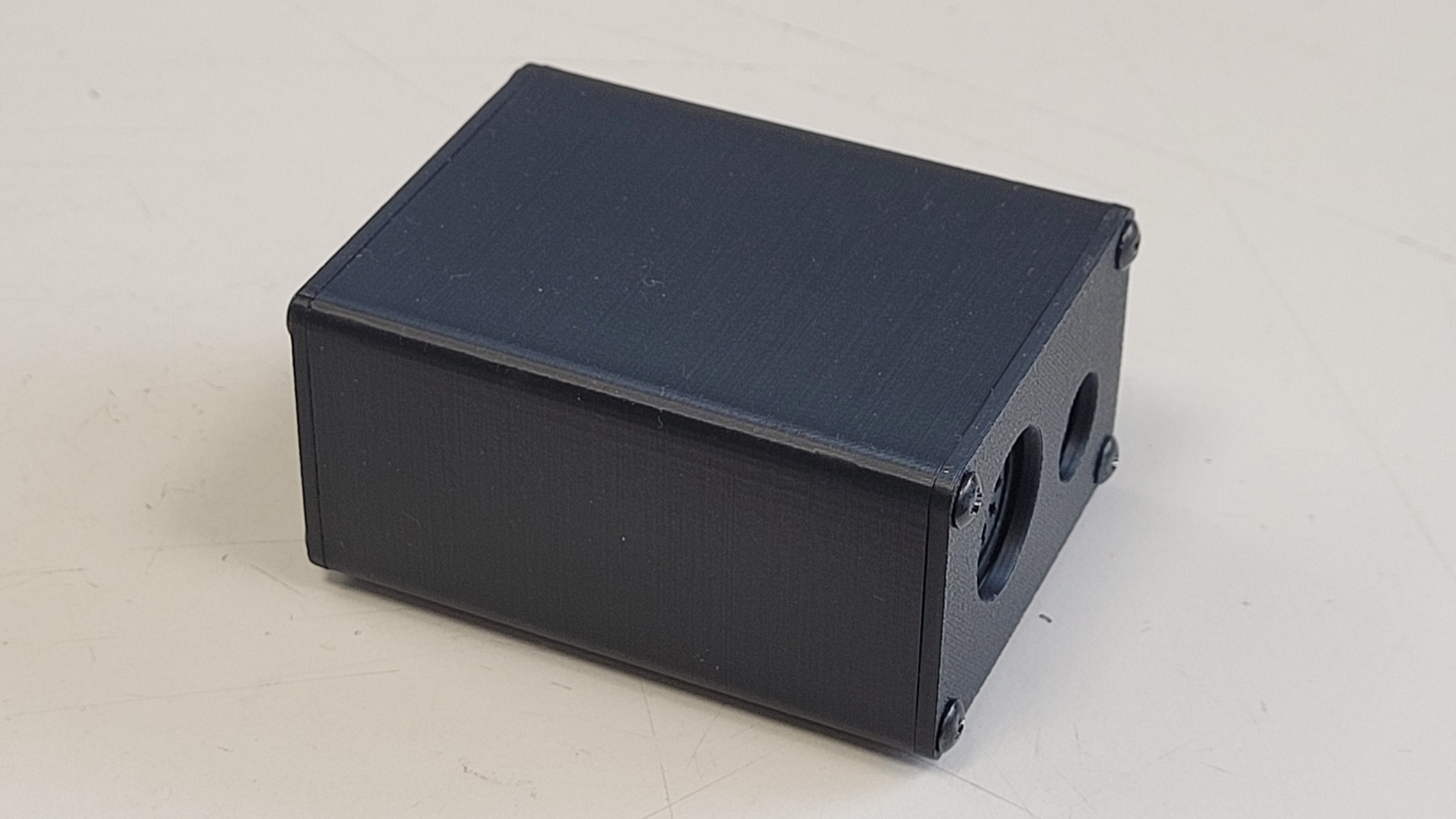
The current lineup supports DX(A/C) rotor clocks (800, 1000 and 2800 series) and Yaesu G-5×00 series rotors — covering azimuth-only, elevation-only, and combined AZ+EL setups with an extended azimuth range up to 450°. There’s also SDX clock integration, where the PathFinder interface fits directly inside the clock enclosure for a clean, built-in solution.
Three companion apps
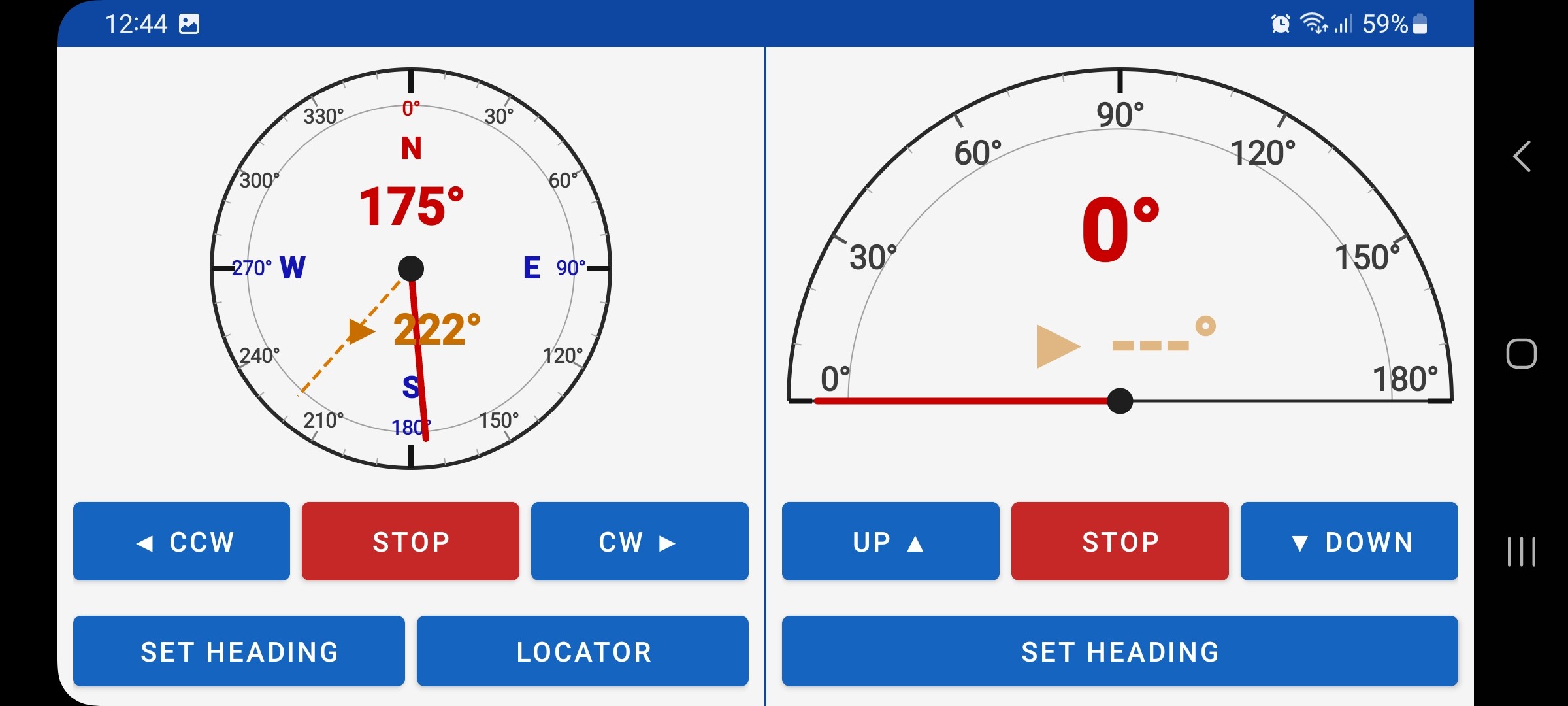
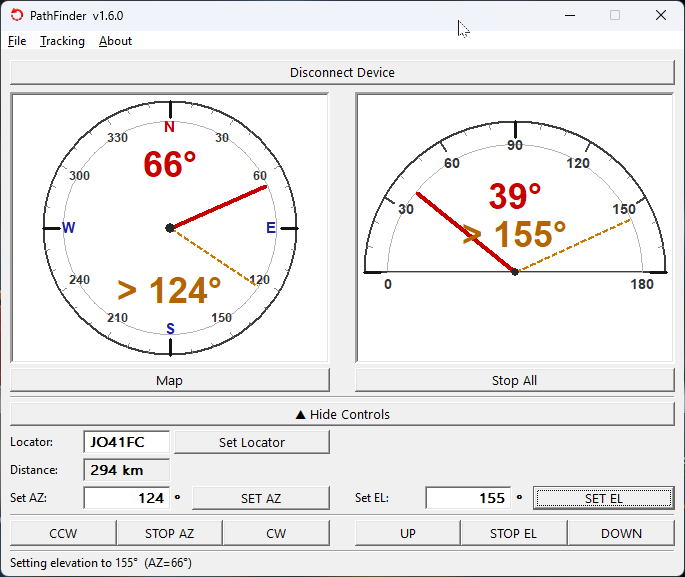
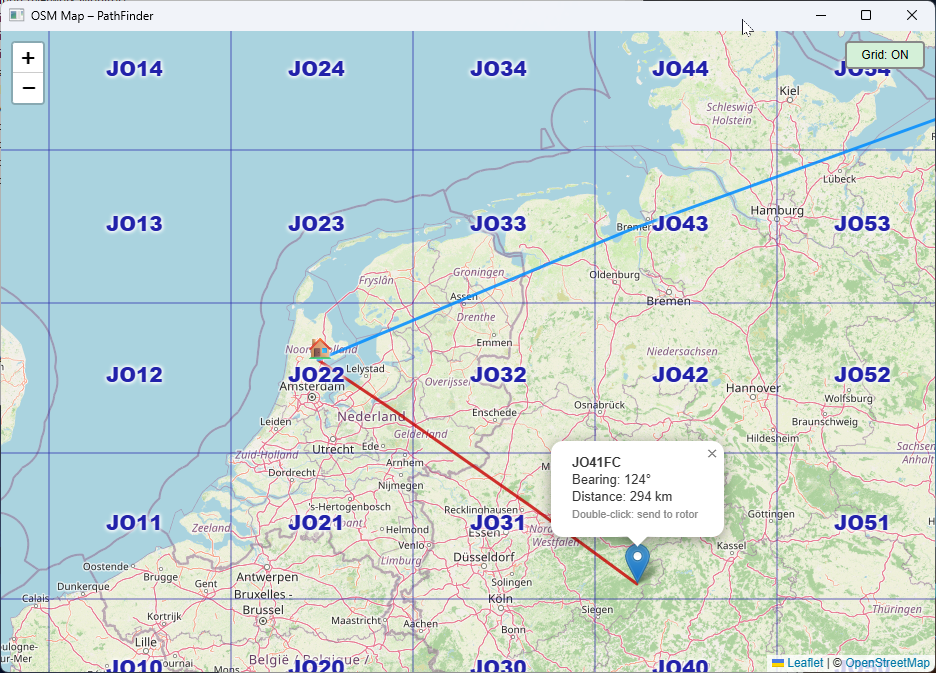
PathFinder comes with three companion applications. The PathFinder Tool handles all configuration and calibration — including a guided multi-point calibration wizard for both azimuth and elevation. The PathFinder Client for Windows provides day-to-day rotator control with live compass displays, an interactive OSM map with Maidenhead grid overlay, and automatic antenna tracking via WSJT-X, JTDX or MSHV. And for mobile use, the PathFinder Android Client lets you control your rotator from your smartphone or tablet — over your home network or remotely via the internet.
What’s next — a new series of interfaces
With the core platform stable and the software stack complete, I’m now turning my attention to expanding the hardware lineup. A new series of rotor interfaces is in development — bringing PathFinder compatibility to additional rotor types and configurations. I’ll be documenting the progress along the way, so check back regularly.
Follow along at pathfinder.pd5dj.nl — hardware models, downloads and full documentation are all kept up to date there.
More details on the new interfaces coming soon. Stay tuned!